
Email format error
Email cannot be empty
Email already exists
6-20 characters(letters plus numbers only)
The password is inconsistent
Email format error
Email cannot be empty
Email does not exist
6-20 characters(letters plus numbers only)
The password is inconsistent


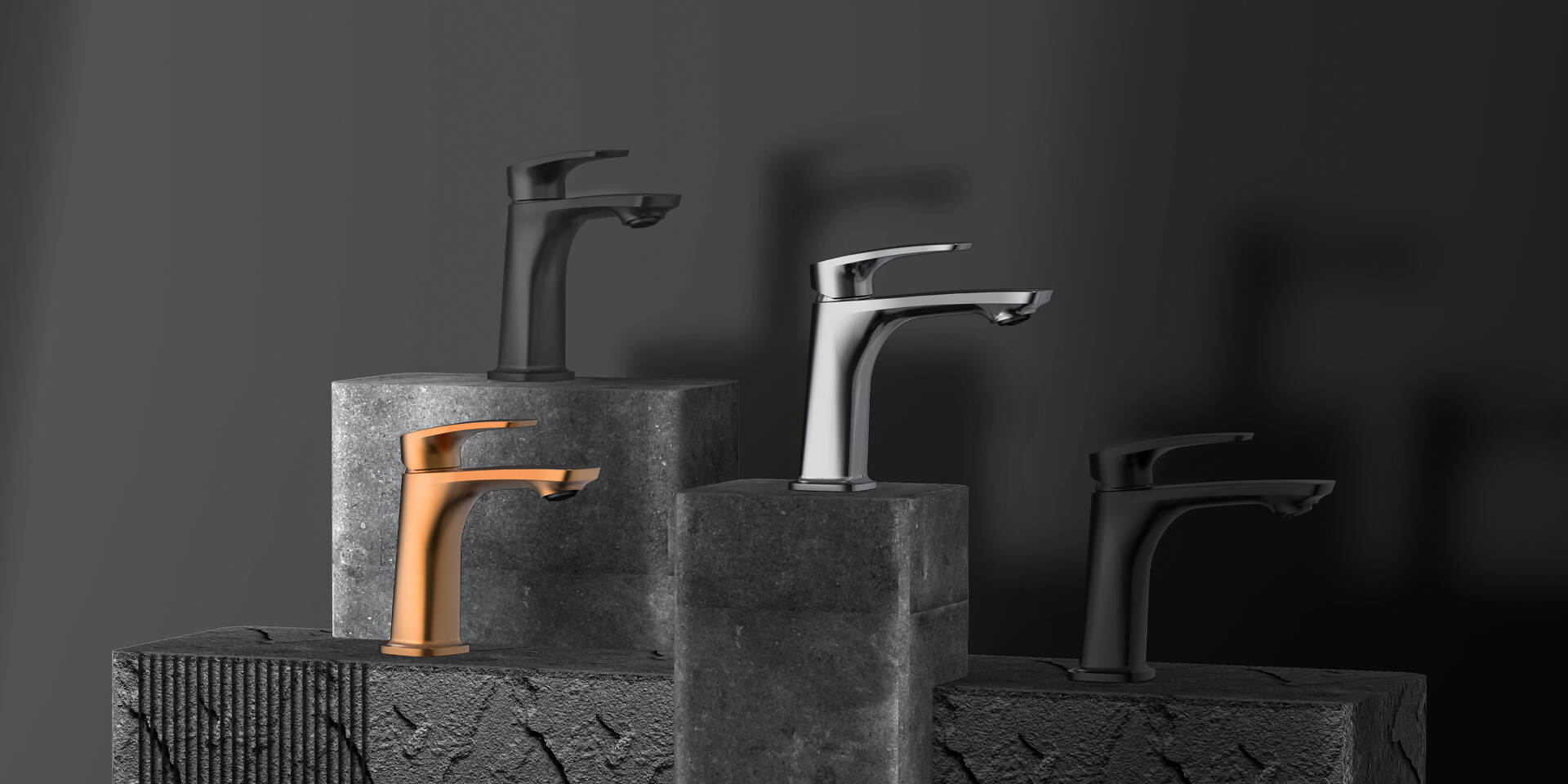
Bidet Mixers Factory – Professional Manufacturing & Export Guide for Global Buyers
A bidet mixers factory is a manufacturing facility that produces bidet mixer faucets used in residential, commercial, and hospitality bathroom systems. Unlike distributors or traders, a factory directly controls the entire production process, including casting, machining, surface finishing, assembly, and quality testing.
In the global sanitary ware supply chain, bidet mixers factories are the core production source. They supply OEM/ODM products to wholesalers, distributors, and brand owners worldwide.
A professional bidet mixers factory typically offers:
- Brass and stainless steel production
- OEM & ODM customization
- Bulk export capability
- Quality testing and certification
- Full bathroom faucet product lines
Why Source Directly from a Bidet Mixers Factory?
Working directly with a factory provides significant advantages for B2B buyers:
1. Lower Procurement Cost
Factories eliminate middlemen, offering:
- Factory direct pricing
- Better margins for distributors
- Cost control for large projects
2. Stable Production Capacity
Factories can support:
- Large volume orders
- Long-term project supply
- Continuous production schedules
3. OEM/ODM Customization
Factories provide full customization:
- Logo engraving
- Handle design modification
- Surface color options
- Packaging branding
4. Quality Control at Source
Factories implement strict QC systems:
- Raw material inspection
- Production monitoring
- Pressure testing
- Leak testing
- Durability testing
Manufacturing Process of Bidet Mixers
A professional bidet mixers factory follows a standardized production workflow:
Step 1: Material Preparation
Common materials include:
- Brass (high-end products)
- Stainless steel (modern eco-friendly market)
- Zinc alloy (cost-effective solutions)
Step 2: Casting Process
Brass bodies are formed using precision casting molds to ensure structural strength and durability.
Step 3: CNC Machining
High-precision machining ensures:
- Accurate water channel structure
- Smooth cartridge fitting
- Stable assembly structure
Step 4: Polishing and Surface Finishing
Surface treatment includes:
- Mirror polishing
- Brushing
- Electroplating (chrome, black, gold finishes)
Step 5: Assembly
Components assembled include:
- Cartridge system
- Handles
- Aerators
- Connection hoses (if applicable)
Step 6: Testing
Each product is tested for:
- Water pressure resistance
- Leakage prevention
- Cartridge lifespan
- Surface corrosion resistance
Types of Bidet Mixers Produced in Factories
A full-scale factory typically produces multiple product types:
1. Single Lever Bidet Mixer
- Simple operation
- Widely used in residential bathrooms
- Cost-effective design
2. Thermostatic Bidet Mixer
- Maintains stable water temperature
- Anti-scalding protection
- Suitable for hotels and luxury projects
3. Wall-Mounted Bidet Mixer
- Space-saving installation
- Modern bathroom design integration
4. Deck-Mounted Bidet Mixer
- Installed on basin or fixture
- High-end visual appearance
OEM & ODM Services in Bidet Mixers Factory
Factories provide flexible cooperation models:
OEM (Original Equipment Manufacturer)
- Buyer provides brand and design
- Factory produces accordingly
- Suitable for established brands and wholesalers
ODM (Original Design Manufacturer)
- Factory offers ready-made models
- Buyer selects and customizes
- Faster product development cycle
Customization options include:
- Logo branding
- Packaging design
- Handle structure
- Surface color finishes
Quality Standards and Certifications
To meet international export requirements, bidet mixers factories follow strict standards:
- CE certification (Europe compliance)
- WRAS certification (UK water safety)
- ISO 9001 quality management system
- Water pressure safety testing standards
These certifications ensure product safety, durability, and global market acceptance.
Global Market Applications
Bidet mixers produced in factories are widely used in:
Residential Projects
- Apartments
- Private homes
- Renovation markets
Hospitality Industry
- Hotels
- Resorts
- Luxury villas
Commercial Construction
- Office buildings
- Public facilities
- Real estate developments
Global Demand Trends for Bidet Mixers
The bidet mixers market is expanding due to several trends:
1. Hygiene Awareness Growth
Consumers increasingly prefer bidet systems for personal hygiene.
2. Bathroom Modernization
Minimalist and functional bathroom designs are driving demand.
3. Water Efficiency Requirements
Governments and building codes encourage water-saving products.
4. Premium Bathroom Aesthetics
Matte black, brushed gold, and stainless steel finishes are trending.
Export Advantages of Bidet Mixers Factories
Factories in major production regions offer:
Strong Production Capacity
Capable of handling large international orders.
Competitive Pricing
Cost advantages from integrated supply chains.
Flexible Shipping Options
- Sea freight
- Air freight
- Consolidated container shipments
Experienced Export Teams
Factories understand:
- Customs documentation
- International standards
- Market-specific requirements
How to Choose a Reliable Bidet Mixers Factory
When selecting a supplier, evaluate:
1. Manufacturing Capability
- Production equipment level
- Monthly output capacity
2. Product Range
- Variety of models
- Finish options
- Customization ability
3. Export Experience
- Target market familiarity
- Certification availability
4. Quality Stability
- Batch consistency
- Testing procedures
5. OEM Support
- Branding capability
- Packaging customization
- Engineering support
Common Challenges in Factory Sourcing
Buyers may face:
Communication Gaps
Technical specifications must be clearly defined.
Quality Variation
Different batches require strict QC control.
Lead Time Management
Large orders require planned production schedules.
Conclusion
A professional bidet mixers factory is the foundation of the global sanitary ware supply chain. It provides cost-effective production, stable quality control, and strong OEM/ODM capabilities for international buyers.
For wholesalers, brand owners, and construction project suppliers, sourcing directly from a factory ensures better pricing, stronger product control, and long-term supply stability.